
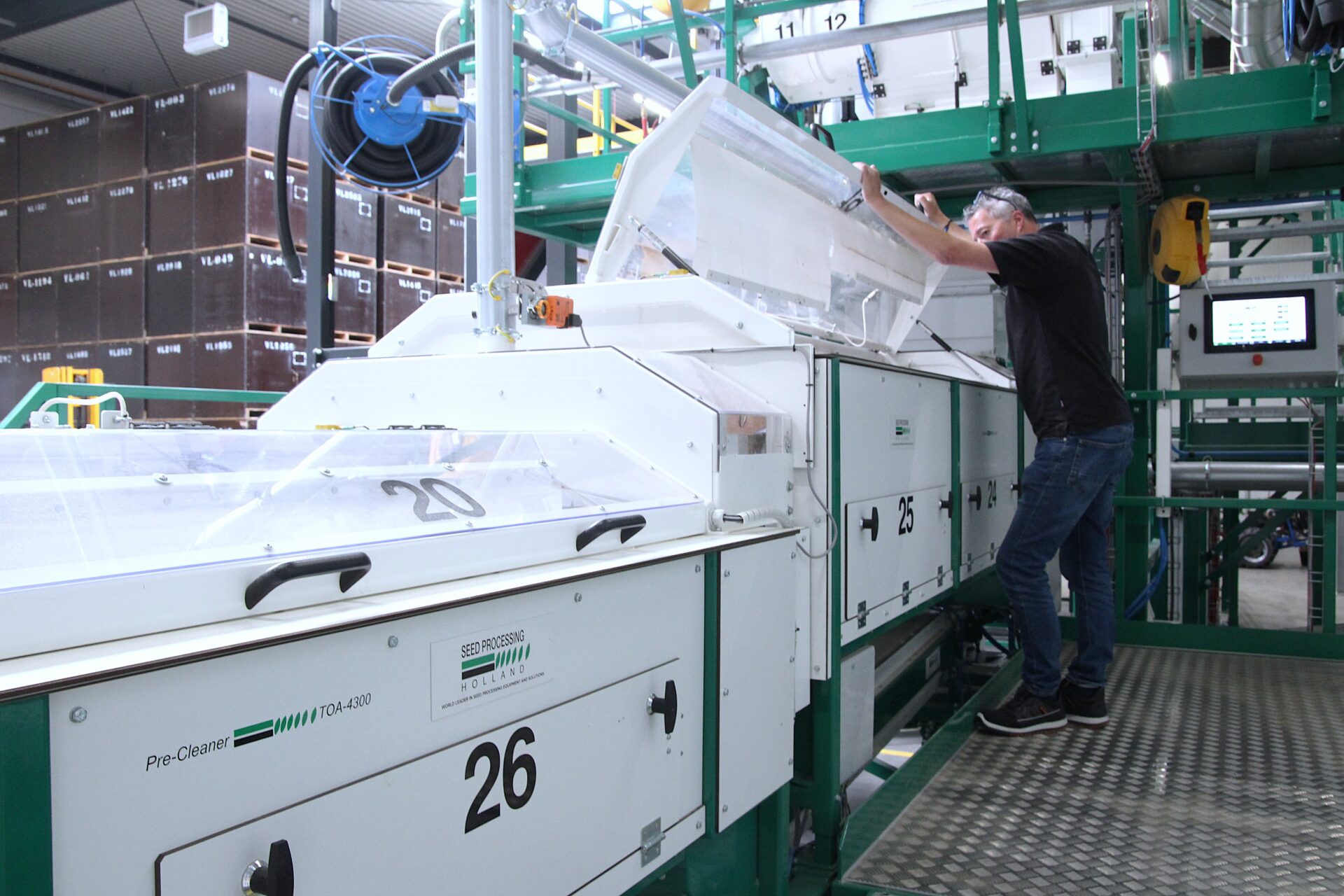
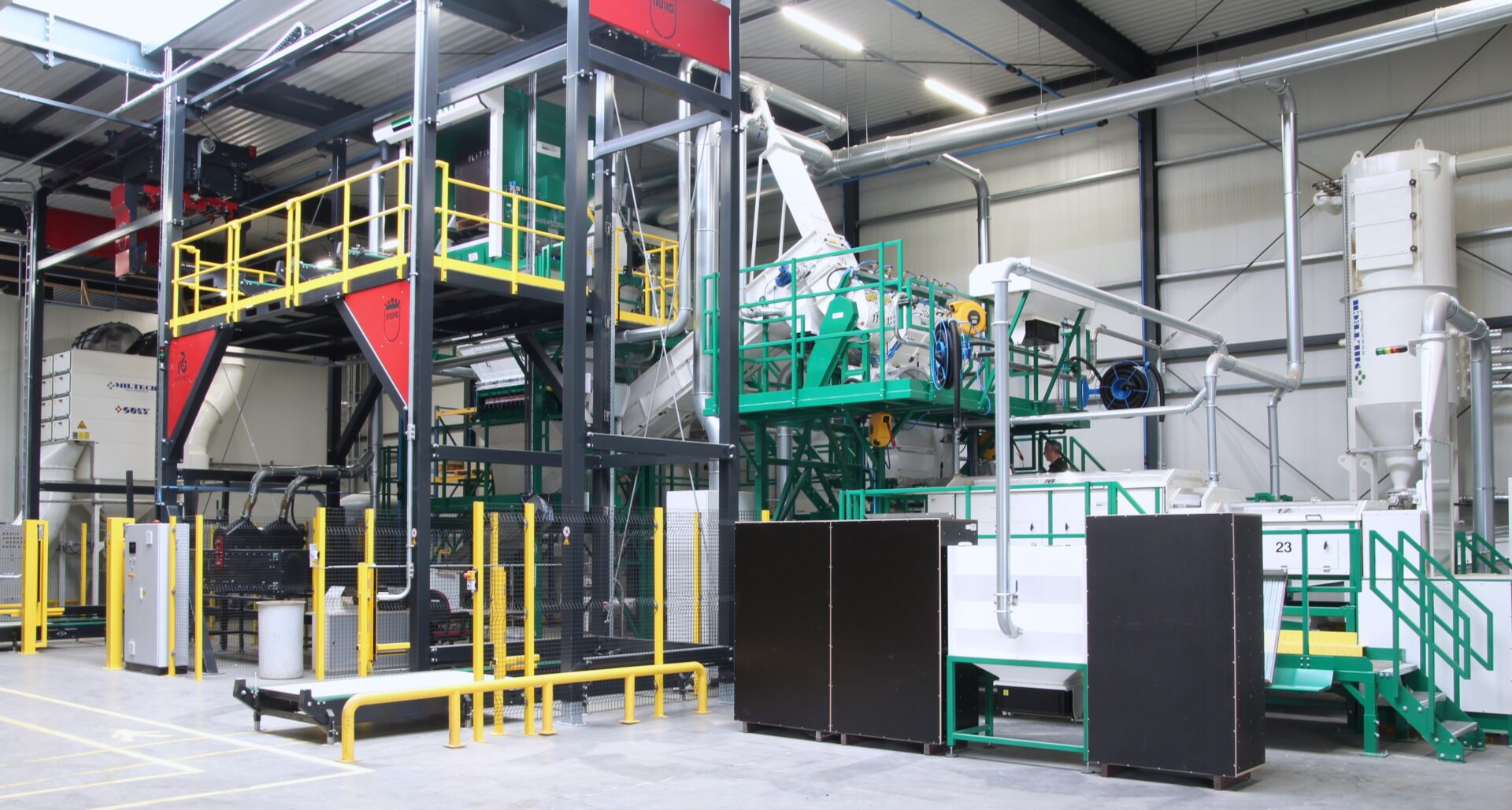
Rijk Zwaan is active worldwide in vegetable breeding and seed production. At its site in Maasdijk, the Netherlands, the company focuses on processing open-field vegetable crops. A wide range of crops is handled here, including spinach, cabbage, lettuce, celery, fennel and beetroot.
According to Rijk Zwaan, the close cooperation with Seed Processing Holland was an important factor in the success of the project. As the installation was largely tailor-made, there was extensive consultation throughout the project regarding the design, logistics, safety, accessibility and cleanability of the system.
The result is a practical and reliable solution that fits seamlessly into the day-to-day operations at the Maasdijk site.
“I would certainly recommend Seed Processing Holland. You have a team that is very pleasant to work with, listens carefully to our needs and is able to translate those requirements into a technical solution that really works.”
Marcel Brandt – Site Manager, Rijk Zwaan Maasdijk

Rijk Zwaan is active worldwide in vegetable breeding and seed production. At its site in Maasdijk, the Netherlands, the company focuses on processing open-field vegetable crops. A wide range of crops is handled here, including spinach, cabbage, lettuce, celery, fennel and beetroot.
After harvesting, the seeds are dried, threshed and pre-cleaned on site. They are then transported to Rijk Zwaan’s main location in De Lier for further processing and preparation for sale. As priorities within the seed production chain can change quickly, flexibility and reliability are essential throughout the threshing process.
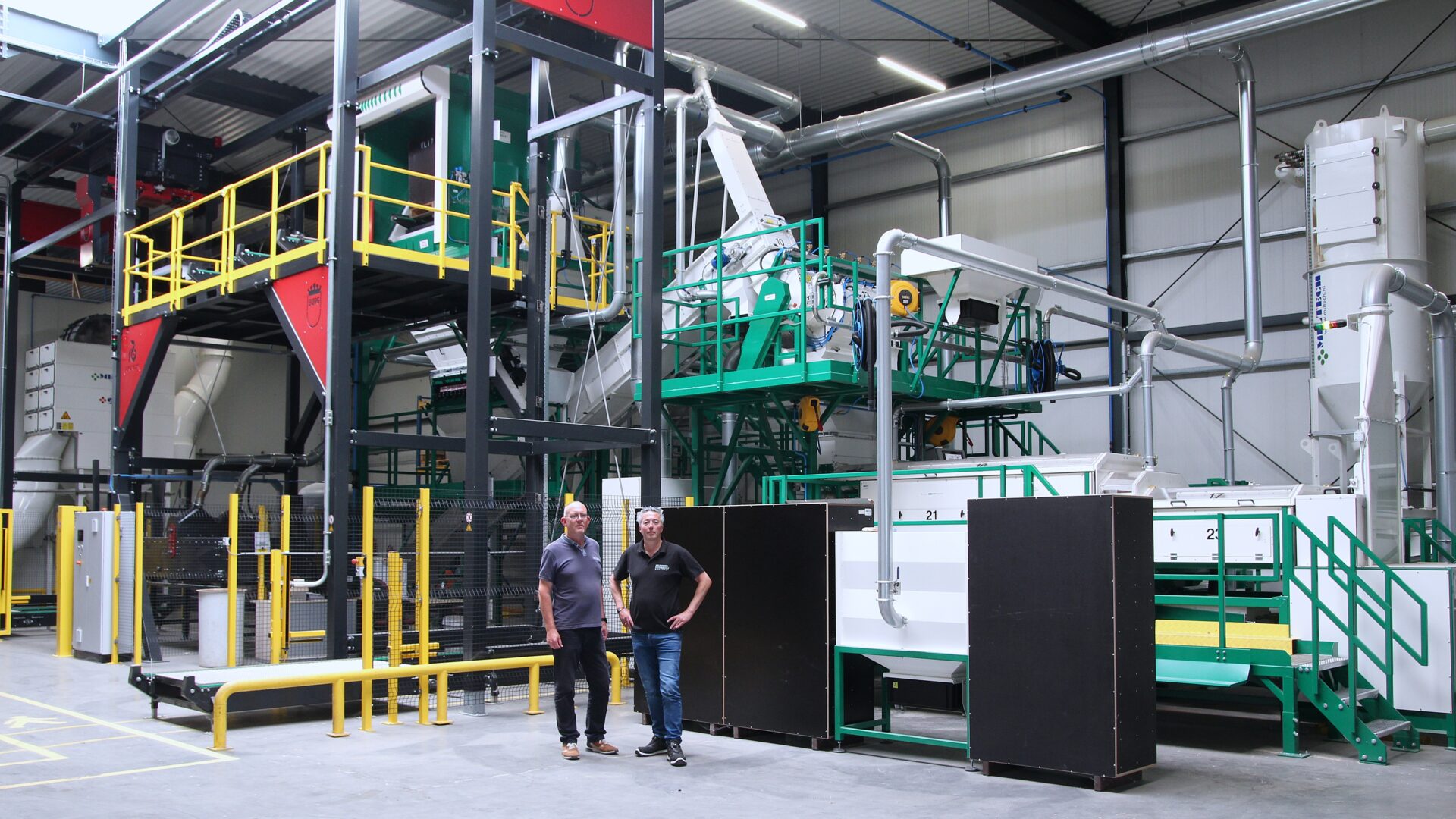
To further improve the processing of fine and delicate seeds, Rijk Zwaan invested in a second large-scale threshing installation from Seed Processing Holland.
From manual threshing to a more efficient process
In 2014, Rijk Zwaan invested in a large SPH threshing installation for processing crops such as spinach, cabbage and beetroot. However, the design of the existing line made it less suitable for very fine seeds. Lettuce seed in particular was still largely processed manually. This was not only labour-intensive but also physically demanding due to the amount of dust released during manual threshing.
At the same time, labour is becoming increasingly difficult to find. Rijk Zwaan therefore started looking for a solution that could reduce manual work, improve working conditions and process delicate seeds with greater care.
The main challenge was clear: how do you remove lettuce seed from the plant without damaging it?
Lettuce seed is delicate and has a high economic value, making the prevention of seed damage and seed loss a key requirement. The installation also needed to be suitable for smaller seed lots, easy to clean and designed to minimise the risk of cross-contamination between different lots.
A tailor-made threshing solution
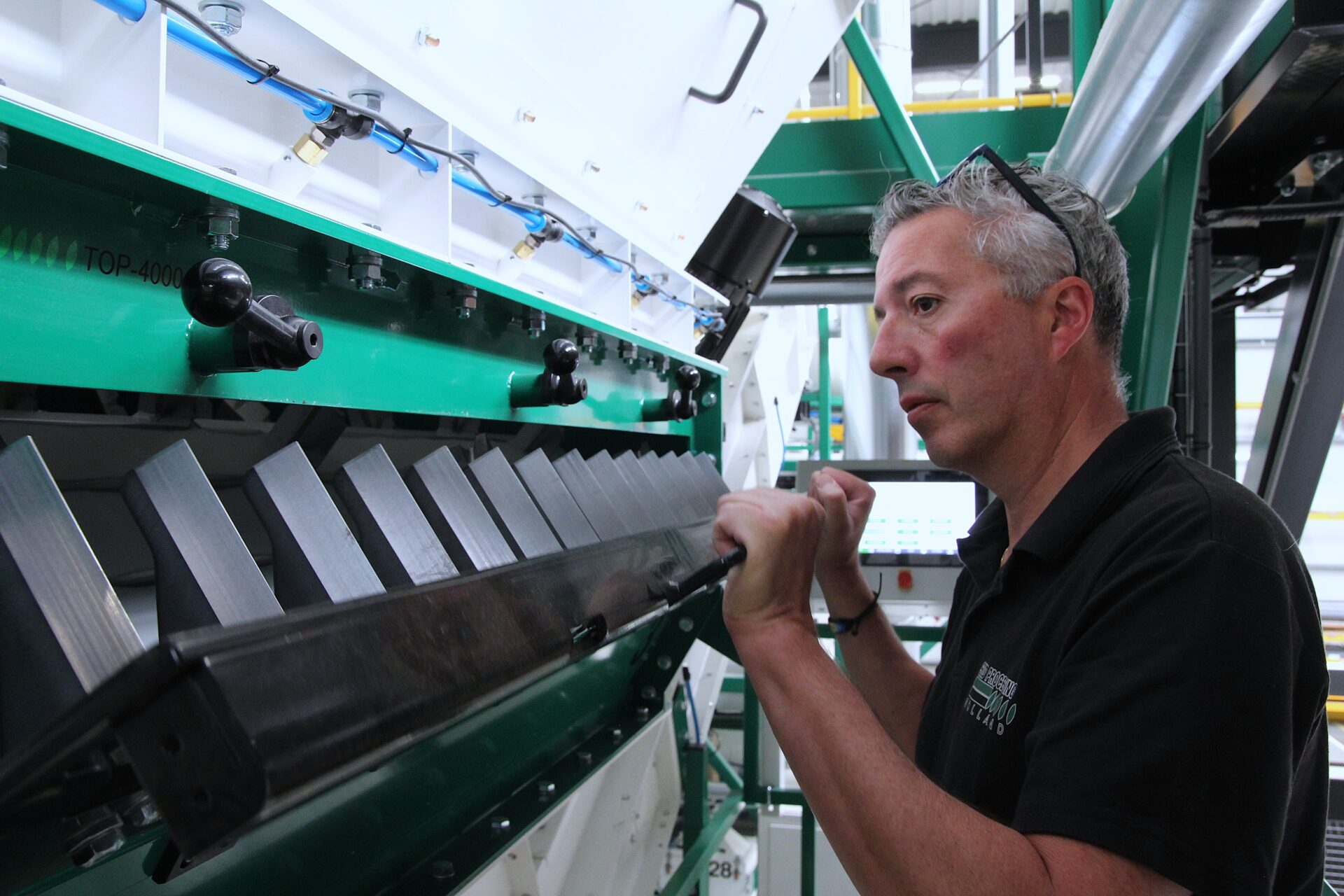
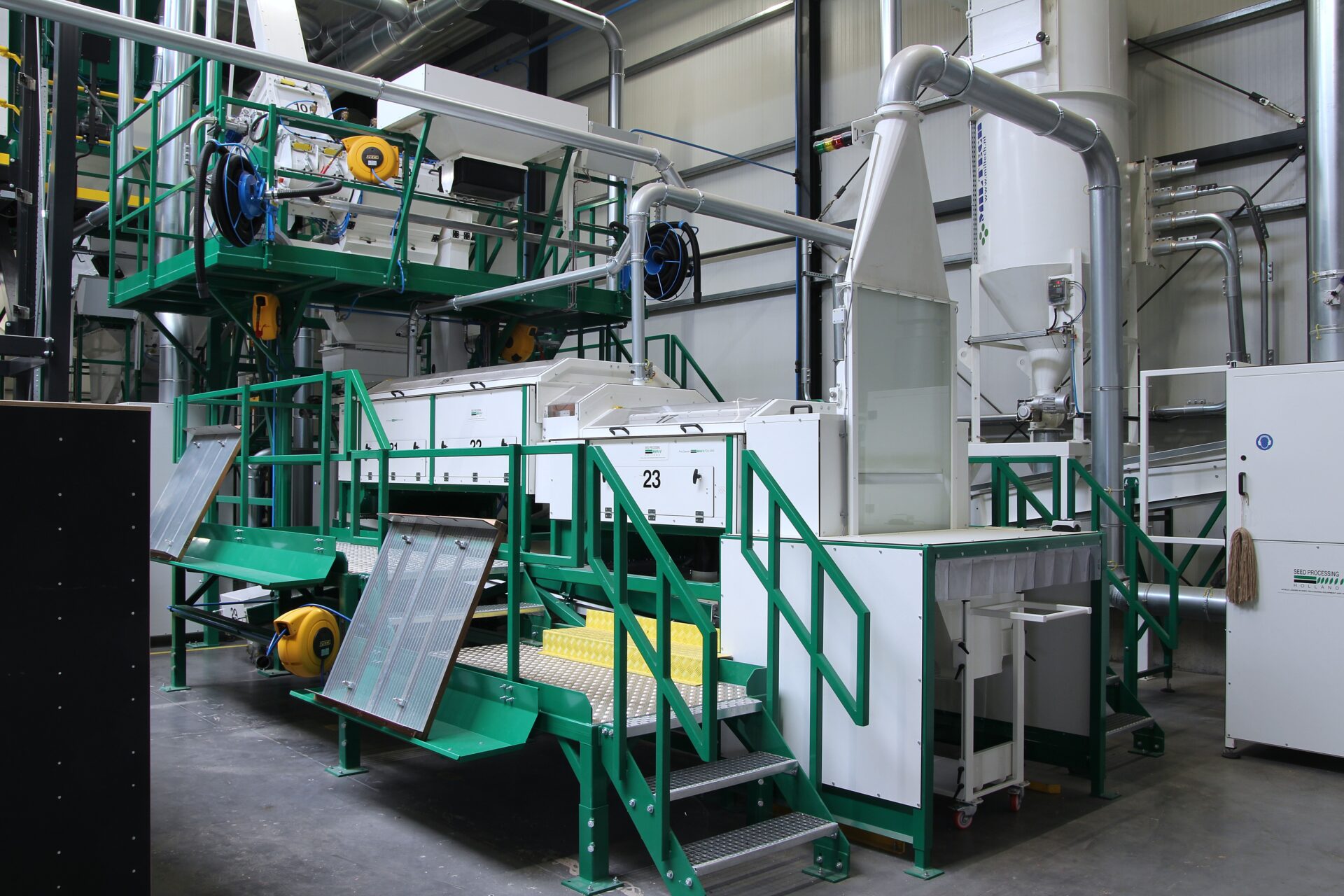
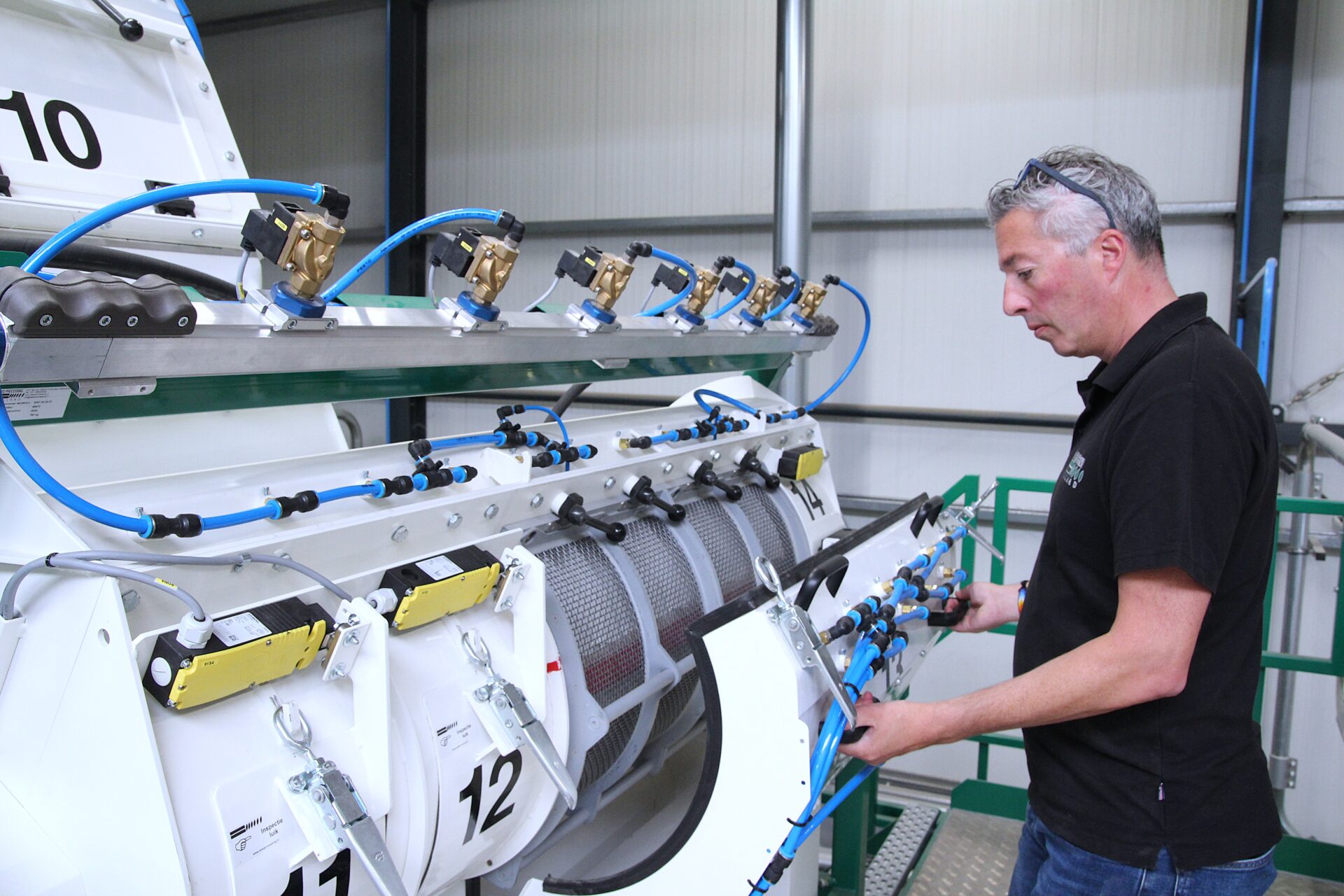
Together with Seed Processing Holland, Rijk Zwaan developed a second threshing line specifically designed to handle these fine seeds more effectively. The installation was developed with particular attention to product flow, cleanability, safety, ergonomics, dust control and ease of use for operators.
An important part of the project was not only the threshing mechanism itself, but also the way in which the crop is transferred from the drying box into the machine. The plant material needs to be loosened and fed into the installation in a controlled manner, without damaging the product or causing blockages.
Additional screening stages were also integrated to produce a cleaner seed fraction. As a result, less dust and plant debris such as stalks reach the next processing stage, reducing the amount of work required later in the process.
Better working conditions and a cleaner result
Since the second installation was commissioned in 2025, Rijk Zwaan has been able to process a much larger proportion of its lettuce seed mechanically. The share of mechanically threshed seed has already increased significantly, with the company expecting this figure to reach approximately 95%.
Compared with manual threshing, the new line saves a considerable number of labour hours and removes much of the unpleasant, dusty work. The installation is normally operated by two people, primarily for safety reasons, and processes an average of six to seven cubic metre boxes of plant material per hour, depending on the crop and how the material is packed.
Rijk Zwaan also sees clear advantages compared with its older threshing line. The new installation performs better with fine seeds, produces less noise and dust, operates more cleanly and provides better accessibility for operators.
Cooperation based on listening and practical thinking
According to Rijk Zwaan, the close cooperation with Seed Processing Holland was an important factor in the success of the project. As the installation was largely tailor-made, there was extensive consultation throughout the project regarding the design, logistics, safety, accessibility and cleanability of the system.
The result is a practical and reliable solution that fits seamlessly into the day-to-day operations at the Maasdijk site.


Leave your contact details and upload your files. We will get back to you as soon as possible.
Do you want to stay informed of our company, current developments and the products we make? Then sign up!
Website: www.seedprocessing.com and all child pages;
User: visitors to the website;
Company: Seed Processing Holland the authorized publisher of the web page;
The following applies to our website. By using the website you agree to this disclaimer.